

Why is exercise important for gut health?
Regular exercise keeps not only the muscles but also the gut fit. It is important for the onward transport of food, bowel emptying, and to stimulate blood circulation in the gut. Physical activity also helps prevent overweight, which is often associated with inflammatory processes that can, among other things, disrupt the barrier function of the intestine.
But don’t worry, you don’t need to aim for athletic peak performance. In fact, the gut can even be inhibited by very intense training. Gentle activities such as yoga, swimming, or walking are therefore ideal.
With just 30 minutes of moderate exercise per day – about 10,000 steps or a relaxed bike ride – you support your bowel motility, improve local microcirculation, and at the same time reduce systemic inflammatory markers. Those who also pay attention to a consciously fibre-rich diet create optimal conditions for a diverse microbiome and benefit twice.
Can gut microbiota be influenced by exercise?
A research group at the University of Illinois showed that exercise can directly influence the composition of gut microbiota (Allen et al. 2018). The higher the physical activity, the more bacteria multiply that produce short-chain fatty acids such as acetate, butyrate, and propionate. These, in turn, nourish and regenerate the intestinal mucosa and have anti-inflammatory effects. However, this effect seems to depend on body weight, as it was much more pronounced in lean individuals than in those with overweight.
Multidimensional benefits of exercise for the gut
-
 Activation of the lymphatic system – Each muscle contraction works like a pump that directs lymph toward central veins. A functioning lymphatic system can promote the removal of nutrition-related metabolic products and thus support natural elimination processes.
-
Modulation of the immune system – Regular moderate exercise increases the number of circulating immune cells and promotes an anti-inflammatory cytokine profile. This strengthens your body’s defenses, more than 70% of which are located in the gut.
-
Stress reduction – Exercise reduces cortisol and stimulates the release of mood-enhancing neurotransmitters such as serotonin. Since chronic stress has been shown to weaken the intestinal barrier and destabilize the microbiome, every step you take is also a step toward a balanced mind–gut axis. Learn more in our article “Stress and Digestion – How the Mind Influences the Gut.”
Good to know: Just two weeks of endurance training at a moderate level can increase the concentration of Faecalibacterium prausnitzii – a key bacterium for gut health – by up to 40% (Allen et al., 2018, PubMed ID 29166320).
Am I limited in exercise during a gut cleanse?
A natural gut cleanse can be easily integrated into daily life, and you do not need to give up your usual exercise routine. However, since a gut cleanse can also have a cleansing effect depending on the composition, you should not overexert yourself during this time. Simply listen to your body and decide spontaneously which activities feel good for you.
According to experience, many people react more sensitively to very intense exercise in the first week of the gut cleanse (especially Phase I). Therefore, plan active recovery – such as mobility flow, gentle yoga, or light walks – and only increase intensity when your energy levels clearly signal it.
Which types of exercise are less suitable during a gut cleanse?
-
 High-intensity interval training (HIIT) & CrossFit – The combination of maximum effort and short breaks increases the release of stress hormones (adrenaline, cortisol) and can significantly disrupt the digestive tract.
-
Heavy weight training / maximum strength sets – Breath-holding increases intra-abdominal pressure, which can easily lead to reflux, side stitches, or even cramps.
-
Extensive endurance sports over > 2 h – Marathons, triathlons, and long cycling tours divert blood away from the splanchnic region. The mucosa is undersupplied, and the gut reacts with diarrhoea or bloating.
-
Training in high heat – Temperatures > 30 °C plus high humidity cause you to lose litres of fluid. Dehydration worsens stool consistency and increases the risk of injury.
Rule of thumb: Moderate intensity, < 75% of your maximum heart rate, and a maximum of 90 minutes per session ensure training benefits without stress.

Endurance training check: Jogging for gut health?
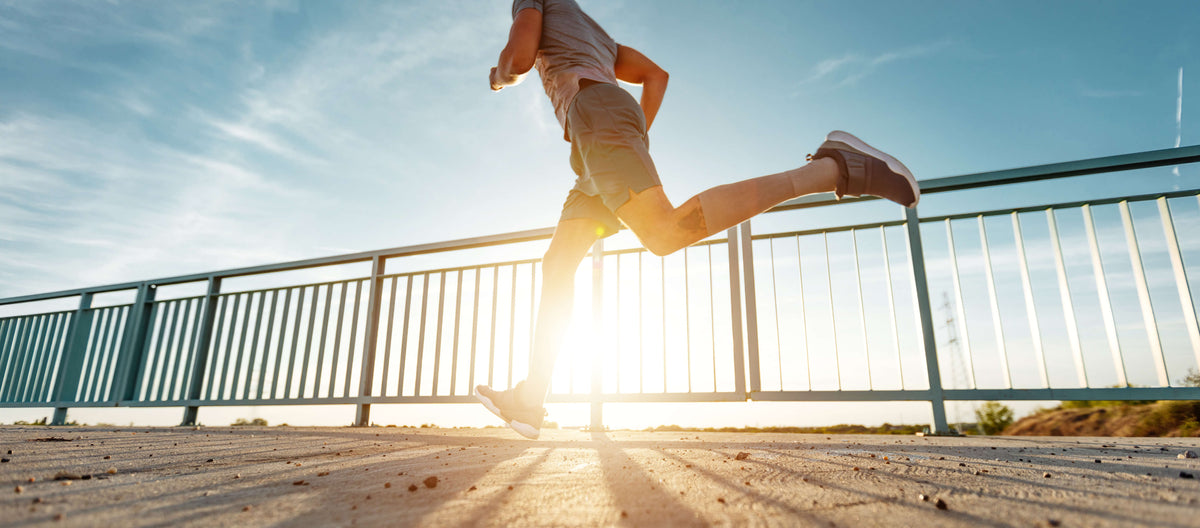
Light jogging is an ideal way to support your gut health during a gut cleanse. Train at low intensity and at regular intervals. This way, the intestinal muscles are not overloaded, and digestive problems can be avoided.
Additionally, running journals are recommended to identify the individual sweet spot between exertion and well-being. The ideal pace is one where you can still talk easily (so-called conversation pace). Those who prefer to play it safe will find alternatives with a similar effect on peristalsis in the article “Nordic Walking – Gentle Full-Body Training for All Ages.”

What amount of exercise is right during a gut cleanse?
During a gut cleanse, gentle activities such as walking, brisk walking, cycling, or yoga are enough to get the gut moving and stimulate digestive processes. Extreme exertion, on the other hand, inhibits bowel activity and should be avoided. Trust your gut feeling and decide each day which activity best suits your mood.
Follow the WHO recommendations of at least 150 minutes of moderate endurance activity per week, spread over 4–5 days. Combined with two sessions of functional strength training (bodyweight, resistance bands), you build the foundation for a stable microbiome.

What should I pay attention to when exercising during a gut cleanse?
- Hydration first – 30–40 ml of water per kilogram of body weight plus 500 ml per hour of training, ideally enriched with electrolytes.
- Probiotic support – Products like Intestinal Cleansing Phase II-A provide live lactic acid bacteria that stabilize microbiological diversity after exertion.
- Time fibre intake wisely – Eat prebiotic fibres (e.g., inulin) > 3 h before your workout to avoid bloating. Details can be found in the article “Fibre – Essential for Your Gut Health.”
- Replenish micronutrients – Magnesium and Zinc support muscle function and regeneration; Vitamin C & Vitamin D3 support the immune system.
- Listen mindfully to your body – Dizziness, discomfort, or unusual cramps are warning signs; adjust the intensity immediately.
Light movement after meals
Light movement after a meal promotes bowel activity, the so-called peristalsis, and ensures that food passes more quickly through the gastrointestinal tract. A walk simultaneously activates the muscles and acts like a gentle massage in the lower abdomen. This stimulates bowel movements and prevents bloating and a feeling of fullness. In addition, circulation is stimulated, the gut is better supplied with blood, and digestive processes can run more smoothly.
Sample daily routine
| Time | Meal | Light movement |
|---|---|---|
| 07:30 am | Warm oatmeal porridge with berries & 1 tsp psyllium husks | 10 min stretching routine + 1000 steps |
| 12:30 pm | Quinoa bowl with fermented vegetables and 150 g salmon | 15 min brisk walk in the fresh air |
| 16:00 | Green smoothie (spinach, kiwi, ginger) | 5 min stair climbing instead of elevator |
| 19:00 | Sweet potato with hummus & salad | 20 min relaxing yin yoga |
Tip: Digestion-promoting breathing exercises – such as deep abdominal breathing in the 4-7-8 rhythm – can be integrated into daily life at any time and support the parasympathetic nervous system.
Find the right balance of exercise during a gut cleanse
Light exercise sessions during a gut cleanse enhance the effect of the cleanse and additionally create a good gut feeling. Listen to your body and adapt your activities so that you do not overexert yourself. Simply put your well-being at the center during the cleanse. This way you will find the right balance to optimally support your gut health.
Be consistent but flexible: those who value regularity more than intensity will be rewarded in the long term – not only with a robust gut microbiota but also with more joy of life and performance.


